Fleet mix
Group vehicles by size, axle position and load so that comparable needs are visible.
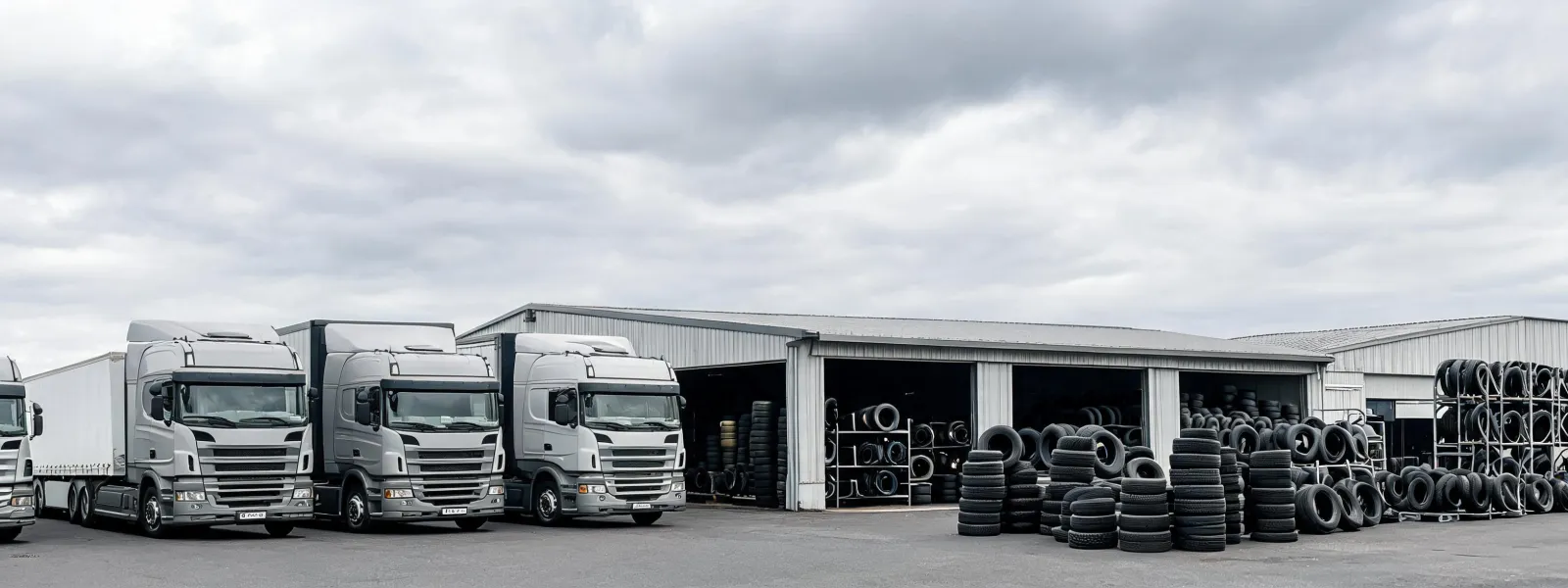
Fleet solutions
Build a purchasing brief around vehicle duty, stock locations and the service windows that keep a fleet moving.
These planning dimensions are inputs for discussion, not performance promises. Record actual fleet data and review it with the relevant stakeholders.
Group vehicles by size, axle position and load so that comparable needs are visible.
Document routes, surfaces, climate and average mileage for each group.
Use inspection records and service schedules to estimate purchasing windows.
Compare forecast demand with stock locations and delivery requirements.
List the vehicle platform, year, tire size, load index, speed rating and axle position. Include anticipated quantities by location.
Note typical loads, terrain, climate, routes and inspection practices. These inputs help make comparisons meaningful.
Specify destination markets and the documents or test methods your procurement process needs to review.
Collect the current vehicle and tire information with the fleet and maintenance teams.
Check suitable product information, market requirements and availability for each group.
Agree order quantities and delivery windows, then revisit the plan as fleet needs change.
Send the fleet profile and the dates your team is working toward.